

Genocide in America
Booklist by Topic
The following materials relate to Native American history, Christopher Columbus, genocide, and contemporary issues affecting Indigenous people. To learn more about an item or to purchase a book, please click on its title. As an Amazon Associate, up to 15% of all book purchases made through Amazon.com (by clicking a link below and ordering the book online) will go toward supporting this website.
Genocide of Native Americans


- Blatch, W. (2022). The True Story of Thanksgiving, Smallpox, and Native Genocide. Timothée Giblot Ducray.
- Churchill, W. (1998). A Little Matter of Genocide: Holocaust and Denial in the Americas, 1492 to the Present. City Lights Books.
- Churchill, W. (1994). Indians Are Us? Culture and Genocide in Native North America. Common Courage Press.
- Dunbar-Ortiz, R. (2022). Not “A Nation of Immigrants”: Settler Colonialism, White Supremacy, and a History of Erasure and Exclusion (paperback ed.). Beacon Press.
- Hinton, A. L., Woolford, A., & Benvenuto J. (2014). Colonial Genocide in Indigenous North America. Duke University Press Books.
- Jahoda, G. (1995). The Trail of Tears. Wings Press.
- Kakel, P. (2011). The American West and the Nazi East: A Comparative and Interpretive Perspective. Palgrave Macmillan.
- King, M. (2024). The Real Christopher Columbus. Northwood Lore Books.
- Kiser, W. S. (2025). The Business of Killing Indians: Scalp Warfare and the Violent Conquest of North America. Yale University Press.
- Madley, B. (2017). An American Genocide: The United States and the California Indian Catastrophe (paperback ed.). Yale University Press.
- Mann, B. A. (2008). George Washington’s War on Native America. University of Nebraska Press.
- Ostler, J. (2020). Surviving Genocide: Native Nations and the United States from the American Revolution to Bleeding Kansas (paperback ed.). Yale University Press.
- Stannard, D. E. (1992). American Holocaust: Columbus and the Conquest of the New World. Oxford University Press.
- Stote, K. (2025). The Genocide Continues: Population Control and the Sterilization of Indigenous Women. Fernwood Publishing.
- Thornton, R. (1990). American Indian Holocaust and Survival: A Population History Since 1492. University of Oklahoma Press.
- VanDevelder, P. (2009). Savages and Scoundrels: The Untold Story of America’s Road to Empire through Indian Territory. Yale University Press.
- Williams, E. (Ed.). (1963). Documents of West Indian History (vol. 1, 1492-1655; see pp. 55-67 158-160, 290). PNM Publishing Co.
Histories of Indigenous People








- Blackhawk, N. (2023). The Rediscovery of America: Native Peoples and the Unmaking of U.S. History. Yale University Press.
- Brooks, L. (2018). Our Beloved Kin: A New History of King Philip’s War. Yale University Press.
- Brown, D. A. (2007). Bury My Heart at Wounded Knee: An Indian History of the American West (4th ed.). Henry Holt & Company.
- Calloway, C. G. (2018). The Indian World of George Washington: The First President, the First Americans, and the Birth of the Nation. Oxford University Press.
- Calloway, C. G. (2024). First Peoples: A Documentary Survey of American Indian History (7th ed.). Bedford/St. Martin’s.
- Dunbar-Ortiz, R. (2022). An Indigenous Peoples’ History of the United States (10th anniversary ed.). Beacon Press.
- DuVal, K. (2024). Native Nations: A Millennium in North America. Random House.
- Eastman (Ohiyesa), C. (2010). Living in Two Worlds: The American Indian Experience (edited by M. O. Fitzgerald). World Wisdom.
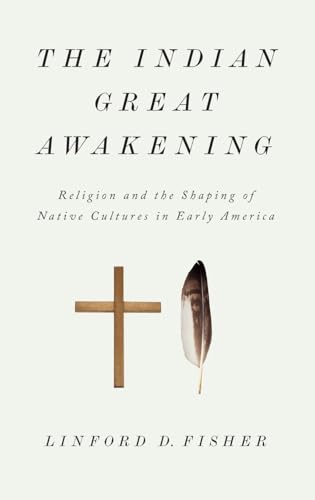
- Fisher, L. D. (2012). The Indian Great Awakening: Religion and the Shaping of Native Cultures in Early America. Bedford/St. Martin’s.
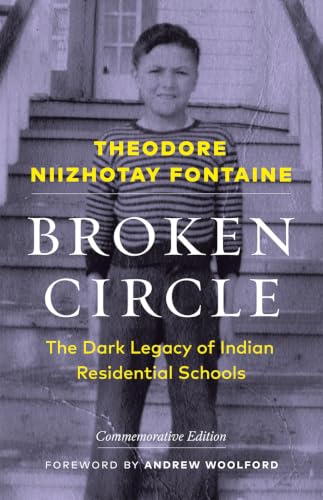
- Fontaine, T. N. (2022). Broken Circle: The Dark Legacy of Indian Residential Schools (commemorative ed.). Heritage House.
- Grann, D. (2017). Killers of the Flower Moon: The Osage Murders and the Birth of the FBI. Doubleday.
- Hämäläinen, P. (2022). Indigenous Continent: The Epic Contest for North America. Liveright.
- Kroeber, T. (2011). Ishi in Two Worlds: A Biography of the Last Wild Indian in North America (50th anniversary ed.). University of California Press.
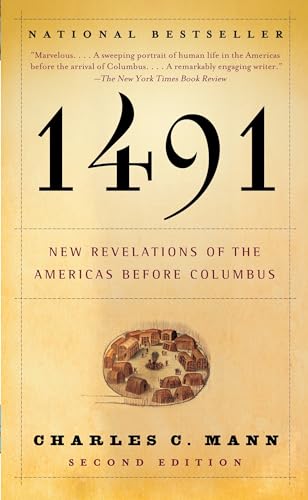
- Mann, C. C. (2006). 1491: New Revelations of the Americas Before Columbus. Vintage Books.
- Mays, K. T. (2021). An Afro-Indigenous History of the United States. Beacon Press.
- Perdue, T., Green, M. D., & Calloway, C. G. (2008). The Cherokee Nation and the Trail of Tears. Penguin Books.
- Reséndez, A. (2017). The Other Slavery: The Uncovered Story of Indian Enslavement in America. Mariner Books.
- Saunt, C. (2020). Unworthy Republic: The Dispossession of Native Americans and the Road to Indian Territory. W. W. Norton & Company.
- Sharfstein, D. J. (2018). Thunder in the Mountains: Chief Joseph, Oliver Otis Howard, and the Nez Perce War (paperback ed.). W. W. Norton & Company.
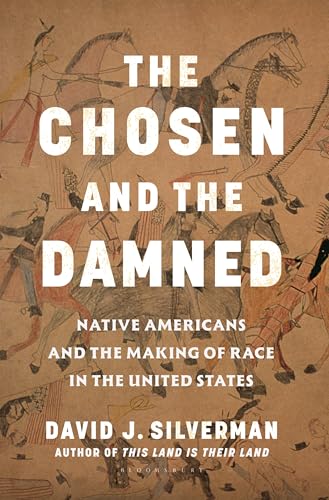
- Silverman, D. J. (2026). The Chosen and the Damned: Native Americans and the Making of Race in the United States. Bloomsbury Publishing.
- Stockwell, M. (2016). The Other Trail of Tears: The Removal of the Ohio Indians (paperback ed.). Westholme Yardley.
- Treuer, D. (2019). The Heartbeat of Wounded Knee: Native America from 1890 to the Present. Riverhead Books.
- Vaughn, B. (2024). The Plot Against Native America: The Fateful Story of Native American Boarding Schools and the Theft of Tribal Lands. Pegasus Books.
- Weatherford, J. M. (1988). Indian Givers: How the Indians of the Americas Transformed the World. Crown Publishers.
- Weidensaul, S. (2012). The First Frontier: The Forgotten History of Struggle, Savagery, and Endurance in Early America. Houghton Mifflin Harcourt.
- West, E. (2009). The Last Indian War: The Nez Perce Story. Oxford University Press.
Stereotypes of Native Americans


- Adare, S. S. (2005). Indian Stereotypes in TV Science Fiction: First Nations’ Voices Speak Out. University of Texas Press.
- Dunbar-Ortiz, R., & Gilio-Whitaker, D. (2016). “All the Real Indians Died Off”: And 20 Other Myths About Native Americans. Beacon Press.
- Francis, D. (2011). The Imaginary Indian: The Image of the Indian in Canadian Culture (2nd ed.). Arsenal Pulp Press.
- Kaplan, H. R. (2022). American Indians at the Margins: Racist Stereotypes and Their Impacts on Native Peoples. McFarland.
- Hannel, E., & Hannel, K. (2025). Stereotypical Indians: Misrepresenting Native Americans in Popular Literature. McFarland.
- Mihesuah, D. A. (1996). American Indians: Stereotypes and Realities. Clarity Press.
- Pearce, R. H. (1988). Savagism and Civilization: A Study of the Indian and the American Mind. University of California Press.
- Raheja, M. H. (2010). Reservation Reelism: Redfacing, Visual Sovereignty, and Representations of Native Americans in Film. University of Nebraska Press.
- Rollins, P. C., & O’Connor, J. E. (Eds.). (1998). Hollywood’s Indian: The Portrayal of the Native American in Film. University Press of Kentucky.
- Vickers, S. B. (1998). Native American Identities: From Stereotype to Archetype in Art and Literature. University of New Mexico Press.
Native Team Names and Mascots


- Billings, A. C., & Black, J. E. (2018). Mascot Nation: The Controversy Over Native American Representations in Sports. University of Illinois Press.
- Eitzen, D. S. (2016). Fair and Foul: Beyond the Myths and Paradoxes of Sport (6th ed.). Rowman & Littlefield Publishers.
- King, C. R. (Ed.). (2010). The Native American Mascot Controversy: A Handbook. Scarecrow Press.
- King, C. R., & Springwood, C. F. (2001). Beyond the Cheers: Race As Spectacle in College Sport. State University of New York Press.
- King, C. R., & Springwood, C. F. (Eds.). (2001). Team Spirits: The Native American Mascots Controversy. University of Nebraska Press.
- Spindel, C. (2000). Dancing at Halftime: Sports and the Controversy Over American Indian Mascots. New York University Press.
Contemporary Life and Politics


- Estes, N. (2023). Our History Is the Future: Standing Rock Versus the Dakota Access Pipeline, and the Long Tradition of Indigenous Resistance (paperback ed.). Haymarket Books.
- Estes, N., Yazzie, M., Denetdale, J. N., & Correia, D. (2021). Red Nation Rising: From Bordertown Violence to Native Liberation. PM Press.
- Kristofic, J. (2011). Navajos Wear Nikes: A Reservation Life. University of New Mexico Press.
- Mankiller, W. (Ed.). (2011). Every Day is a Good Day: Reflections by Contemporary Indigenous Women (anniversary ed.). Fulcrum Publishing.
- Miller, R. J. (2012). Reservation “Capitalism”: Economic Development in Indian Country. Praeger.
- Nagle, R. (2025). By the Fire We Carry: The Generations-Long Fight for Justice on Native Land (paperback ed.). Harper Perennial.
- Pevar, S. (2024). The Rights of Indians and Tribes (5th ed.). Oxford University Press.
- Pulitano, E. (Ed.). (2012). Indigenous Rights in the Age of the U.N. Declaration. Cambridge University Press.
- Treuer, D. (2012). Rez Life: An Indian’s Journey Through Reservation Life. Atlantic Monthly Press.
- Wilbur, M. (2023). Project 562: Changing the Way We See Native America. Ten Speed Press.
- Wilkins, D. E., & Stark, H. K. (2018). American Indian Politics and the American Political System (4th ed.). Rowman & Littlefield Publishers.
Other Topics




- Bates, D. E. (2012). The Other Movement: Indian Rights and Civil Rights in the Deep South. University Alabama Press.
- Duran, E., & Duran, B. (1995). Native American Postcolonial Psychology. State University of New York Press.
- Hirschfelder, A., & Molin, P. F. (2012). The Extraordinary Book of Native American Lists. Scarecrow Press.
- Kimmerer, R. W. (2013). Braiding Sweetgrass: Indigenous Wisdom, Scientific Knowledge and the Teachings of Plants. Milkweed Editions.
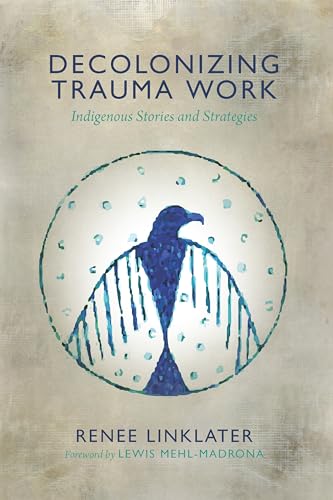
- Linklater, R. (2014). Decolonizing Trauma Work: Indigenous Stories and Strategies. Fernwood Publishing.
- Spotted Crow Mann, L. (2014). The Mourning Road to Thanksgiving. Word Branch Publishing.
- Taffa, D. J. (2024). Whiskey Tender: A Memoir. Harper Perennial.
- Theobald, B. (2019). Reproduction on the Reservation: Pregnancy, Childbirth, and Colonialism in the Long Twentieth Century. The University of North Carolina Press.
Scholarly Journals
Indigenous Law, Policy, and Rights
Historical and Genocide Research
Contemporary Indigenous Issues
Magazines and E-Zines
- American Indian (Smithsonian National Museum of the American Indian)
- Cultural Survival Quarterly (supporting Indigenous rights and self-determination)
- First American Art Magazine (art and culture of Indigenous peoples)
- High Country News (magazine covering the American West)
- Indigenous Peoples (magazine section of America: The Jesuit Review)
- IndigenousSME Magazine (for Canadian business owners)
- Inuktitut Magazine (Inuit magazine published in Inuktut and English)
- MUSKRAT Magazine (online Indigenous arts and culture magazine)
- Native Max Magazine (print and online Indigenous fashion magazine)
- Native Oklahoma Magazine (showcasing Native art, food, culture and more)
- Native Peoples (large circulation magazine covering Indigenous issues)
- Red Rising Magazine (independent Indigenous media)
- SAY Magazine (Spirit of Aboriginal Youth, from Canada)
- The Indigenous Voice Magazine (from the Congress of Aboriginal Peoples)
- Tribal College: Journal of American Indian Higher Education (AIHEC)
- Winds of Change (advancing Indigenous people in STEM)
Videos
The following videos relate to Native American history, Christopher Columbus, genocide, American and Canadian boarding schools, and contemporary issues affecting indigenous people.

The Canary Effect: Reassessing the “Discovery” of America
This excerpt from The Canary Effect debunks several myths concerning Christopher Columbus’s “discovery” of America. The video also describes what happened after Columbus’s second voyage to the Americas, when Spanish soldiers tortured Native people and burned them at the stake in an effort to obtain gold.
For more information on Columbus, see:
Indigenous Scholars Reclaim the True History of Thanksgiving
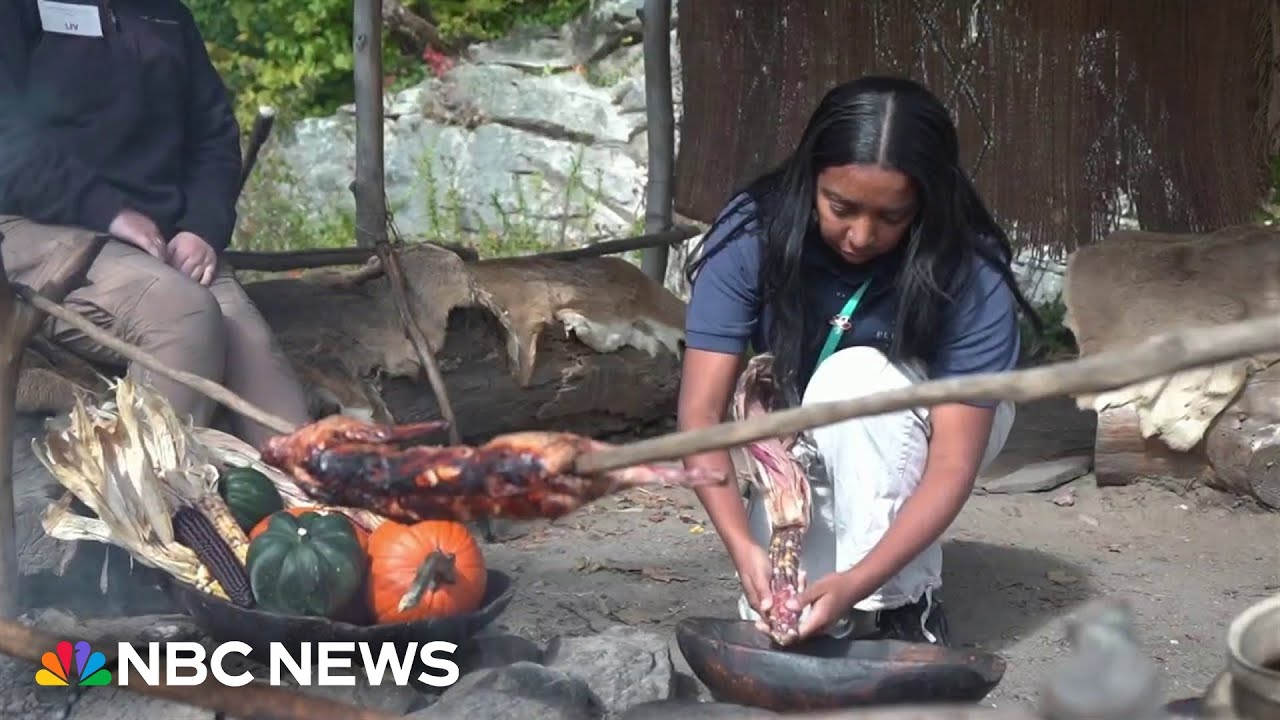
This NBC News video explains that the true history of the Thanksgiving holiday in the U.S. is very different than how it’s usually portrayed. For example, the 1621 harvest feast did not involve pilgrims inviting Wampanoag people to share a dinner—on the contrary, it involved approximately 90 Wampanoag people showing up with a gift of venison from five deer to share with the Pilgrims, who then reciprocated by sharing food from their harvest. A historically accurate celebration of Thanksgiving might therefore be a day to appreciate interracial harmony and the importance of interracial generosity.
For more information on Thanksgiving, see:

Historian Answers Questions About Native American Culture and History
In this WIRED video, Yale University historian Ned Blackhawk provides one-minute answers to more than 20 common questions about Native American culture and history. For example: What was the infamous “Trail of Tears?” Are Native American nations sovereign? Did the Iroquois really use the “Seventh Generation Principle”? What are powwows? Is the Native American population increasing, decreasing, or staying the same?
Hollywood Stereotypes of Native Americans
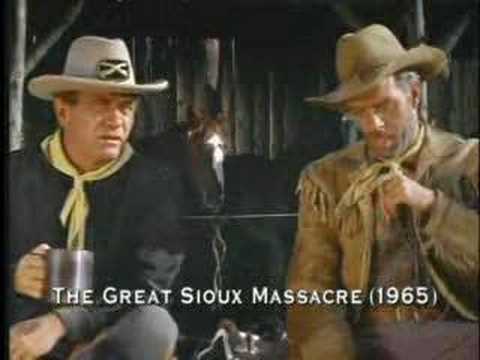
Movies, television programs, and cartoons often stereotype Native Americans as bloodthirsty savages, stoic chiefs, wise medicine men, or submissive Indian princesses. In this video clip, experts discuss the causes and consequences of these racial stereotypes.

Former Student Discusses Indian Boarding Schools
In this clip, Andrew Windyboy recounts how he was forced to attend Indian boarding schools as a child growing up in the Dakotas. While at these schools, his hair was cut off and he was beaten if he tried to speak his native language instead of English. As he explains in the video, however, “We have to have our own language, because… when we talk to our spirits, they don’t understand English.”
For more information on Indian boarding schools, see:
- The Reckoning: An American Genocide
- How the U.S. Stole Thousands of Native American Children
- Sexual Abuse of Native American Children at Boarding Schools
- Boarding Schools: Stories of Resistance and Resilience
- The Disturbing Truth Behind U.S. Indigenous Boarding Schools
- Indian Boarding Schools: A U.S. Town Digs for the Truth
- Native American Boarding School Survivors Share Their Stories
- The Hidden History of “Hand Talk”

Pine Ridge Reservation: The Poorest Place in the U.S.
This video offers a behind-the-scenes look at life on the Pine Ridge Reservation, where the average life expectancy among Lakota people is 47 years of age, 7 out of 10 men have served time in prison, and the unemployment rate is 90%. In such an environment, is happiness possible, and what form would it take?
For more information on Pine Ridge Reservation, see:
Indian Healthcare: A Native Perspective
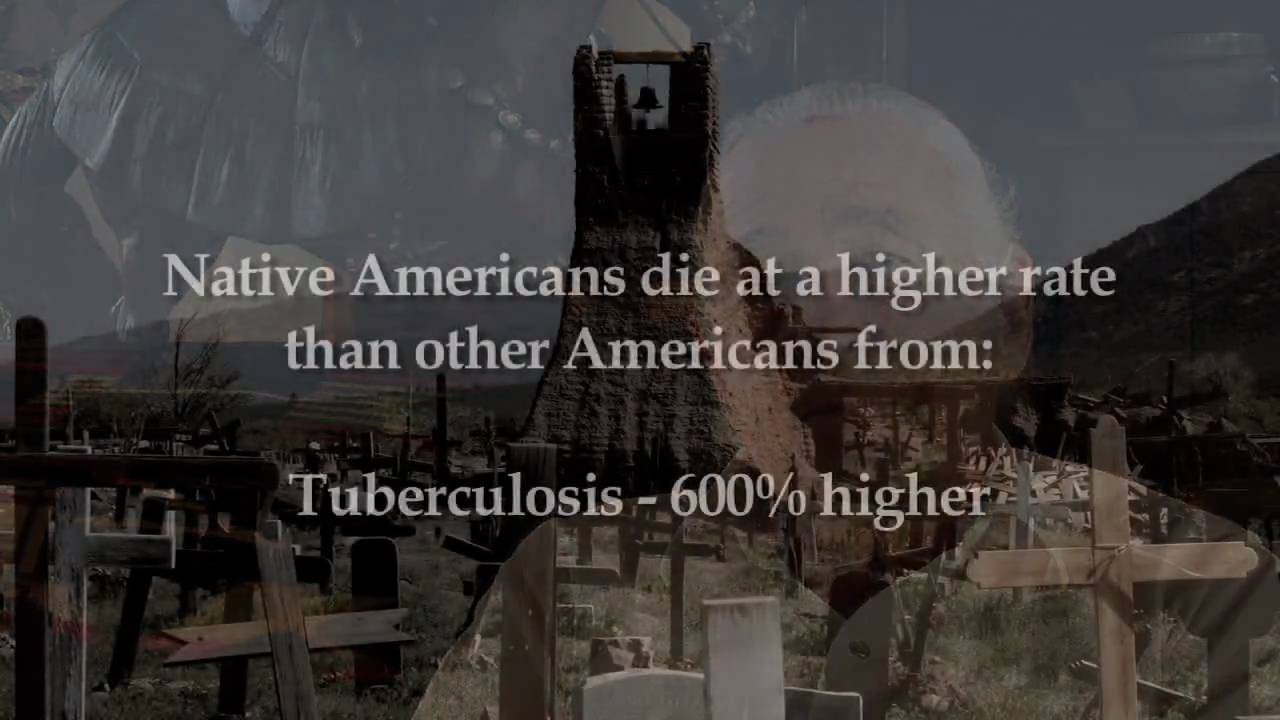
This video examines the poor quality of Native American health and healthcare. As Senator Ben Nighthorse Campbell points out, the U.S. government spends more money per person on healthcare for convicted murderers than for Native Americans, even though the U.S. government is legally obligated to provide healthcare for Native Americans.

Pocahontas and Other Missing and Murdered Indigenous People
Although the Disney cartoon version of Pocahontas presents her as falling in love with a White man, tribal historians say she was kidnapped, brought to England, and repeatedly sexually assaulted and raped by her English captors. Indeed, as this video explains, she is widely considered to be one of the first documented victims in the crisis of Missing and Murdered Indigenous Women (MMIW)—a crisis that continues to this day.
Additional Resources and Searchable Databases
For other films, clips, and reviews, please see:
Web Links
Genocide and Ethnic Cleansing
About Genocide and Its Prevention
- Alliance Against Genocide (global coalition of more than 100 groups)
- Convention on the Prevention & Punishment of the Crime of Genocide (U.N.)
- Genocide and Mass Atrocities (from the Council on Foreign Relations)
- Genocide Watch (preventing genocide and other forms of mass murder)
- Global Centre for the Responsibility to Protect (making R2P a global reality)
- Lemkin Institute for Genocide Prevention and Human Security (nonprofit)
- Resources on Genocide and Mass Atrocities (U.S. Holocaust Memorial Museum)
- Teaching Resources on Genocide (PBS LearningMedia for grades K-12)
- The Genocide Education Project (tools and resources for teachers)
- World Without Genocide (working to protect, prevent, and remember)
Genocide Research (Note: Often Excludes Indigenous People)
- Center for Advanced Genocide Research (University of Southern California)
- Center for Holocaust and Genocide Studies (University of Minnesota)
- Center for the Study of Genocide and Human Rights (Rutgers University)
- Danish Centre for Holocaust and Genocide Studies (research and teaching)
- Genocide Studies Program (Yale University)
- International Association of Genocide Scholars (global nonpartisan group)
- International Institute for Genocide and Human Rights Studies (Zoryan Institute)
- International Network of Genocide Scholars (nonpartisan community)
- The Initiative in Holocaust, Genocide, and Memory Studies (University of Illinois)
Ethnic Cleansing
- About the Responsibility to Protect (United Nations)
- Definitions of Genocide and Related Crimes: Ethnic Cleansing (U.N.)
- Ethnic Cleansing (history and overview from Wikipedia)
- Ethnic Cleansing (History.com overview and examples)
- Ethnic Cleansing (overview from Military Wiki, Fandom)
- Is “Ethnic Cleansing” a Euphemism for Genocide? (Genocide Watch)
- List of Ethnic Cleansing Campaigns (Wikipedia)
- Types of Atrocities (United States Holocaust Memorial Museum)
Indigenous People Around the World
- Asia Indigenous Peoples Pact (promotes and defends Indigenous rights)
- Australian Institute of Aboriginal and Torres Strait Islander Studies (AIATSIS)
- Forest Peoples Programme (NGO working with Indigenous peoples)
- ICCA Consortium (Indigenous Peoples’ community conserved areas)
- Indigenous Peoples (information and resources from UNESCO)
- Indigenous Peoples of Africa Co-Ordinating Committee (over 20 nations)
- Indigenous Peoples of the World (listed by region and country)
- International Work Group for Indigenous Affairs (human’s rights group)
- Profile of First Nations People (Australian Institute of Health and Welfare)
- Saami Council (supports Saami rights and culture in Northern Europe)
- World Directory of Minorities and Indigenous Peoples (Minority Rights Group)
Indigenous People in the Past
Native American History
- American Indian Heritage Foundation (preserving history and culture)
- American Indian and Alaska Native Records (U.S. National Archives)
- Crash Course on Native American History (free online video course)
- Indigenous Digital Archives Treaties Explorer (374 ratified Indian treaties)
- National Museum of the American Indian (in Washington, DC)
- Native American Occupation of Alcatraz Island (National Park Service)
- Native Knowledge 360° (National Museum of the American Indian)
- Trail of Tears Association (promoting awareness of the Trail’s legacy)
Christopher Columbus and His Legacy
- Christopher Columbus: The Untold Story (little known facts)
- Examining the Reputation of Christopher Columbus (essay)
- Christopher Columbus: A Remembered Past and Tarnished Legacy (essay)
- Columbus: Explorer or Ruthless Conquerer? (National Education Association)
- Taíno Genocide (Wikipedia overview, including the link to Columbus)
- Teaching People’s History: Columbus (critically re-examining Columbus)
- The Journal of Christopher Columbus: 1492 (The American Yawp Reader)
- The Reimagining Columbus Project (recontextualizing a Columbus statue)
Indigenous People Today
Native American Rights
- Association of American Indian Affairs (protecting sovereignty and culture)
- Cultural Survival (advancing Indigenous peoples’ rights & cultures)
- Indian Law Resource Center (nonprofit law and advocacy organization)
- International Indian Treaty Council (nonprofit with U.N. consultative status)
- Native American Rights Fund (provides litigation and legal advocacy)
- National Congress of American Indians (more than 100 tribal members)
- Tribal Law and Policy Institute (promoting justice in Indian country)
Native American Health and Well-Being
- Association of American Indian Physicians (balancing mind, body, and spirit)
- National Indian Child Welfare Association (uniting Tribal Nations)
- National Indian Council on Aging (bettering the lives of elders)
- National Indian Health Board (federally-recognized health equity group)
- National Native American AIDS Prevention Center (nonprofit organization)
- Native American Health Center (serving the San Francisco Bay Area)
- Native Wellness Institute (promoting the well-being of Native people)
- StrongHearts Native Helpline (24/7 and confidential: call/text 844-762-8483)
- Urban Indian Health Institute (decolonizing Indigenous health data)
Indigenous People and the Environment
- Honor the Earth (protecting lifeways and sovereignty of Indigenous people)
- Indigenous Climate Action (Indigenous-led effort on climate justice for all)
- Indigenous Climate Resilience Network (communications network)
- Indigenous Environmental Network (grassroots alliance)
- Kua’āina Ulu ‘Auamo (protecting, restoring and caring for Hawaiʻi)
- Native American Environmental Protection Coalition (tribal network)
- Native Conservancy (nonprofit that protects ancestral lands)
Native American Studies and Research
- Collaboratory for Indigenous Data Governance (research+data partnerships)
- Data on American Indian and Alaska Native Tribes (U.S. Census Bureau)
- First Nations Information Governance Centre (upholding data sovereignty)
- Project on Indigenous Governance and Development (Harvard University)
- Society for the Study of Indigenous Languages of the Americas (nonprofit)
- UCLA American Indian Studies Center (academic research institute)
Native American Education
- American Indian Boarding Schools (Wikipedia)
- American Indian College Fund (offers thousands of scholarships)
- American Indian Higher Education Consortium (network of tribal schools)
- Center for Native American Youth (educational and advocacy organization)
- Education Northwest: Native Education (helping all reach their potential)
- Indian Education Under U.S. Indian Law (ASU College of Law)
- National Indian Education Association (promotes access to education)
- National Native American Boarding School Healing Coalition (nonprofit)
- Native American Education (history, challenges, and future directions)
Sustaining Indigenous Communities
- Adopt-A-Native-Elder Program (provides essentials to Navajo elders)
- First Nations Development Institute (improving Native economies)
- Friends of Pine Ridge Reservation (serving the Oglala Lakota Nation)
- National American Indian Housing Council (providing affordable housing)
- National Indigenous Women’s Resource Center (Native anti-violence group)
- Native American Agriculture Fund (private, charitable grant-making trust )
- Partnership With Native Americans (Native-led and Native-serving nonprofit)
- Running Strong for American Indian Youth (community development)
- Seventh Generation Fund (supporting Indigenous self-determination)
U.S. Government Services
- Administration for Native Americans (Health & Human Services)
- Bureau of Indian Affairs (Department of the Interior)
- Bureau of Indian Education (Department of the Interior)
- Committee on Indian Affairs (U.S. Senate)
- Environmental Protection in Indian Country (EPA)
- Indian Health Service (for American Indians and Alaska Natives)
- Native Nations Communications Task Force (FCC)
- Office of Tribal Justice (Department of Justice)
- Tribal Waste Management Program (Environmental Protection Agency)
- White House Council on Native American Affairs (Department of the Interior)
Indian Mascots, Team Names, and Logos
- American Indian Sports Team Mascots (comprehensive site)
- Indigenous Imagery in Brands, Products, Teams, and Logos (many examples)
- National Coalition on Racism in Sports & Media (countering stereotypes)
- Resolution Recommending Retirement of American Indian Mascots (APA)
- Team Names and Mascots Derived From Indigenous Peoples (Wikipedia)
- The Harmful Legacy of Native Imagery in Sports (National Indian Health Board)
Countering Stereotypes of Native Americans
- Anti-Indigenous Stereotypes (BC Human Rights Tribunal)
- Dismantling Indigenous Stereotypes (Few for Change)
- Do All Indians Live in Tipis? (FAQ on terminology, history, and more)
- Native Culture and Clothing: Native American Is Not a Costume (lesson)
- Project 562 (humanizing Indigenous people and countering stereotypes)
- Tropes & Stereotypes to Avoid (from Indigenous Reads Rising)
Other Useful Websites
- AAA Native Arts (where history, culture, and creativity come together)
- First Nations Films (films for, by, and about Indigenous people)
- Native Land Digital (mapping Indigenous territories, treaties, and languages)
- Task Force on Indigenous Psychology (Society for Humanistic Psychology)
- United National Indian Tribal Youth (developing strong Indigenous youth)
- Windspeaker (news from the Aboriginal Multi-Media Society)
Other Publications
Print and Online News Sources
- CBC Indigenous (news from Canadian Indigenous communities)
- Cherokee Phoenix (the first newspaper published by Native Americans)
- Cultural Survival News (action-oriented publication)
- Indian Country Today (independent nonprofit news service)
- IndigiNews (Indigenous newsroom committed to decolonizing journalism)
- Koori Mail (newspaper written and owned by Indigenous Australians)
- National Indigenous Times (Australian news on Indigenous affairs)
- Native Lens (amplify Indigenous voices through storytelling)
- Native News Online (news source and searchable archive)
- Native Report (entertaining, informative PBS series)
- Red Media (press and media project run for and by Indigenous people)
- The Circle (monthly Native American news and arts publication)
- The Indigenous World Editorial (annual IWGIA report)
- Tribal Business News (covers Native business and economic development)
Articles, Essays, and Reports
- Cid-Martinez, I., & Marvin, S. (2023, November 30). Native American child poverty more than doubled in 2022 after safety-net cutbacks: Child poverty rate is higher than before the pandemic. Economic Policy Institute.
- Committee on Indian Affairs. (2025, July 31). Truth and Healing Commission on Indian Boarding Schools Policies Act of 2025 (Senate Report 119-54).
- Crepelle, A. (2023, January 6). Federal policies trap tribes in poverty. American Bar Association.
- Davis-Castro, C. Y. (2025, September 10). Indigenous peoples in Latin America: Statistical Information (CRS Report No. R46225). Congressional Research Service.
- Genos Center. (2023, July 14). Native American genocide: A dark legacy of colonialism for Indigenous people.
- Gone, J. P. (2023, November 1). Indigenous historical trauma: Alter-Native explanations for mental health inequities. Daedalus, 152 (4): 130-150.
- Howard, A. H. (2015, February 8). The Oz author’s newspaper editorials urged annihilation of Native Americans. Central New York News.
- James, N. (2023, July 3). Missing and Murdered Indigenous People (MMIP): Overview of Recent Research, Legislation, and Selected Issues for Congress. Congressional Research Service.
- John-Henderson, N. A., White, E. J., & Crowder, T. L. (2023). Resilience and health in American Indians and Alaska Natives: A scoping review of the literature. Development and Psychopathology, 35(5), 2241-2252.
- Njogu, K. (2024). Preventing Ethnic Genocide: A Policy Guidance Note. United Nations Office on Genocide Prevention and the Responsibility to Protect.
- Treuer, D. (2021, April 12). Return the national parks to the tribes. The Atlantic.
- Urban Indian Health Institute. (2021). Data Genocide of American Indians and Alaska Natives in COVID-19 Data.
- U.S. Department of the Interior. (2024, July). Federal Indian Boarding School Initiative (multi-volume investigative report).