

Making Connections
Booklist by Topic
The following materials relate to interbeing, intersectionality, environmental justice, economic inequality, globalization, and other prejudice-related connections. To learn more about an item or to purchase a book, please click on its title. As an Amazon Associate, up to 15% of all book purchases made through Amazon.com (by clicking a link below and ordering the book online) will go toward supporting this website.
Philosophy of Interbeing


- Chamel, J., & Dansac, Y. (Eds.). (2023). Relating With More-Than-Humans: Interbeing Rituality in a Living World. Palgrave Macmillan.
- Das, S., & Bordoloi, M. (Eds.). (2025). Ecological Interconnections: Critical Readings on Ethics, Sustainability, and Interspecies Communication in Literature and Culture. Lexington Books.
- Grim, J. (Ed.). (2001). Indigenous Traditions and Ecology: The Interbeing of Cosmology and Community. Harvard University Press.
- Gross, M. (2024). Intertwined: From Insects to Icebergs. Johns Hopkins University Press.
- Kormos, R. (2024). Intertwined: Women, Nature, and Climate Justice. The New Press.
- Murchie, G. (1978). The Seven Mysteries of Life: An Exploration in Science and Philosophy (see Chapter 13: “The Interrelatedness of All Creatures,” pp. 344-380). Houghton Mifflin.
- Nhat Hanh, T. (1987). Being Peace. Parallax Press.
- Nhat Hanh, T. (1991). Peace Is Every Step: The Path of Mindfulness in Everyday Life. Bantam Books.
- Nhat Hanh, T. (2020). Interbeing: The 14 Mindfulness Trainings of Engaged Buddhism (4th ed.). Parallax Press.
- Sweeney, L. B. (2001). When a Butterfly Sneezes: A Guide for Helping Kids Explore Interconnections in Our World Through Favorite Stories. Pegasus Communications.
Intersectionality and Linkages


- Coates, R. D., Ferber, A. L., & Brunsma, D. L. (2021). The Matrix of Race: Social Construction, Intersectionality, and Inequality (2nd ed.). Sage Publications.
- Collins, P. H. (2024). Lethal Intersections: Race, Gender, and Violence. Polity Press.
- Collins, P. H., & Bilge, S. (2020). Intersectionality (2nd ed.). Polity Press.
- Cordeiro-Rodrigues, L., & Mitchell, L. (Eds.). (2019). Animals, Race, and Multiculturalism (paperback ed.). Palgrave Macmillan.
- Crenshaw, K. (2017). On Intersectionality: Essential Writings. The New Press.
- Duran, A. (2022). The Experiences of Queer Students of Color at Historically White Institutions. Routledge.
- Harrison, D. L. (2021). Belly of the Beast: The Politics of Anti-Fatness as Anti-Blackness. North Atlantic Books.
- Leibman, L. A. (2021). Once We Were Slaves: The Extraordinary Journey of a Multi-Racial Jewish Family. Oxford University Press.
- Mitchell, D. (Ed.). (2024). Intersectionality and Higher Education: Theory, Research, & Praxis (3rd ed.). Peter Lang.
- Romero, M. (2025). Introducing Intersectionality (2nd ed.). Polity Press.
- Sojka, C. J., & de Vries, K. M. (2025). Transgender Intersections: Race and Gender Through Identities, Interactions, and Systems of Power. Polity Press.
- Taylor, S. (2017). Beasts of Burden: Animal and Disability Liberation. The New Press.
- Toft, A., & Franklin, A. (Eds.). (2021). Young, Disabled and LGBT+: Voices, Identities and Intersections. Routledge.
- Wilkerson, I. (2023). Caste: The Origins of Our Discontents (trade paperback ed.). Random House.
Environmental Justice





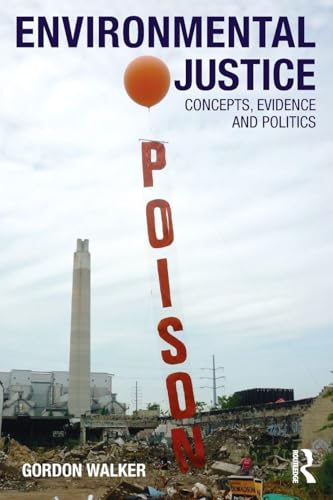

- Barnes, B. R., Fernandes-Jesus, M., Trott, C. D., & Barnwell, G. (Eds.). (2025). Community, Psychology and Climate Justice. Springer.
- Bloomfield, E. F., & Castro-Sotomayor, J. (Eds.). (2025). Intersectional Activism in Environmental Communication: Changemakers Respond to Ecological Crises. Michigan State University Press.
- Bullard, R. D. (Ed.). (2005). The Quest for Environmental Justice: Human Rights and the Politics of Pollution. Sierra Club Books.
- Bullard, R. D. (2018). Dumping in Dixie: Race, Class, and Environmental Quality (3rd ed.). Routledge.
- Bullard, R. D., & Wright, B. (2023). The Wrong Complexion for Protection: How the Government Response to Disaster Endangers African American Communities (paperback ed.). New York University Press.
- Checker, M. (2020). The Sustainability Myth: Environmental Gentrification and the Politics of Justice. New York University Press.
- Coleman Flowers, C. (2022). Waste: One Woman’s Fight Against America’s Dirty Secret (paperback ed.). The New Press.
- Coleman Flowers, C. (2025). Holy Ground: On Activism, Environmental Justice, and Finding Hope. Spiegel & Grau.
- Dhofier, L. (Ed.). (2025). The Human Rights of Climate Change. Palgrave Macmillan.
- Gilio-Whitaker, D. (2020). As Long As Grass Grows: The Indigenous Fight for Environmental Justice, From Colonization to Standing Rock (paperback ed.). Beacon Press.
- Hanna, M. (2019). What the Eyes Don’t See: A Story of Crisis, Resistance, and Hope in an American City (trade paperback ed.). One World.
- Hattem, J. (2026). Shelter From the Storm: How Climate Change Is Creating a New Era of Migration. The New Press.
- Malcolm, M., & mohaupt, a. (2025). Climate Justice, Climate Hope: Building a Moral Economy. Fortress Press.
- Penn, M. (2026). Eco Revolution: Climate Justice, Community, and the Fight for Our Planet. Balance.
- Schmitt, M. T., Anjum, G., Clayton, S., & Manning, C. (Eds.). (2026). Psychology and Climate Change: Human Perceptions, Impacts, and Responses. Academic Press.
- Shiva, V. (2015). Soil Not Oil: Environmental Justice in an Age of Climate Crisis (reprint ed.). South End Press.
- Sunstein, C. R. (2026). Climate Justice: What Rich Nations Owe the World―and the Future (paperback ed.). The MIT Press.
- Taylor, S. (2024). Disabled Ecologies: Lessons from a Wounded Desert. University of California Press.
- Walker, G. (2012). Environmental Justice: Concepts, Evidence and Politics. Routledge.
- Washington, H. A. (2020). A Terrible Thing to Waste: Environmental Racism and Its Assault on the American Mind (paperback ed.). Little, Brown Spark.
Economic Inequality



- Desmond, M. (2017). Evicted: Poverty and Profit in the American City. Crown.
- Desmond, M. (2024). Poverty, by America (trade paperback ed.). Crown.
- Ehrenreich, B. (2021). Nickel and Dimed: On (Not) Getting By in America (20th anniversary ed.). Picador.
- Ehrenreich, B. (2020). Fear of Falling: The Inner Life of the Middle Class. Twelve.
- Elliott, A. (2022). Invisible Child: Poverty, Survival and Hope in an American City (trade paperback ed.). Random House.
- Galor, O. (2023). The Journey of Humanity: A New History of Wealth and Inequality With Implications for Our Future. Dutton.
- Goldblum, J. S., & Shaddox, C. (2022). Broke in America: Seeing, Understanding, and Ending U.S. Poverty (paperback ed.). BenBella Books.
- Goldstone, B. (2025). There Is No Place for Us: Working and Homeless in America. Crown.
- Gilbert, D. (2021). The American Class Structure in an Age of Growing Inequality (11th ed.). Sage Publications.
- Jones, S. (2026). Disposable: America’s Contempt for the Underclass. Avid Reader Press.
- Kozol, J. (1996). Amazing Grace: The Lives of Children and the Conscience of a Nation. Harper Perennial.
- Lareau, A. (2024). Unequal Childhoods: Class, Race and Family Life (2nd ed.). Dev Publishers.
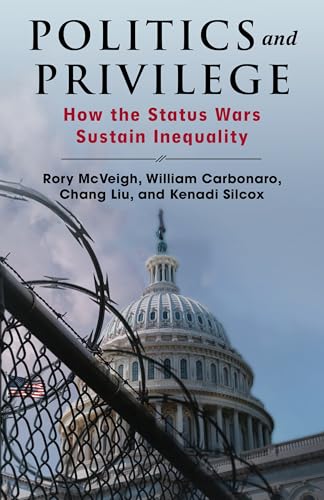
- McVeigh, R., Carbonaro, W., Liu, C., & Silcox, K. (2025). Politics and Privilege: How the Status Wars Sustain Inequality. Columbia University Press.
- Orford, J. (2025). The Psychology of Economic Inequality: Six Reasons Why We Are Failing to Challenge Great Inequalities of Income and Wealth. Palgrave Macmillan.
Globalization


- Anshu, A. (Ed.). (2025). Navigating Globalization, Diaspora, Foreign Policy and Sustainability. Palgrave Macmillan.
- Baylis, J., & Smith, S. (Eds.). (2023). The Globalization of World Politics: An Introduction to International Relations (9th ed.). Oxford University Press.
- Eitzen, D. S., & Zinn, M. B. (2012). Globalization: The Transformation of Social Worlds (3rd ed.). Wadsworth Cengage Learning.
- Friedman, T. L. (2000). The Lexus and the Olive Tree: Understanding Globalization (newly updated and expanded ed.). Anchor Books.
- Hartman, T. (2004). Unequal Protection: The Rise of Corporate Dominance and the Theft of Human Rights. Rodale Press.
- Levinson, M. (2021). Outside the Box: How Globalization Changed from Moving Stuff to Spreading Ideas. Princeton University Press.
- Parreñas, R. S. (2015). Servants of Globalization: Women, Migration and Domestic Work (2nd ed.). Stanford University Press.
- Sachs, J. D. (2020). The Ages of Globalization: Geography, Technology and Institutions. Columbia University Press.
- Stiglitz, J. E. (2018). Globalization and Its Discontents Revisited: Anti-Globalization in the Era of Trump. W. W. Norton & Company.
Scholarly Journals
Magazines and E-Zines
Interbeing and Mindfulness
- Buddha Weekly Magazine (free online magazine)
- Buddhazine (e-zine from BuddhaNet)
- Buddhism Now Magazine (online Buddhist magazine)
- Buddhism Today Magazine (free archive of issues through 2023)
- Here and Now Newsletter (Plum Village UK; also maintains blog)
- Journal of Buddhist Ethics (free access e-journal)
- Lion’s Roar Magazine: Buddhist Wisdom for Our Time (print and digital)
- Mandala Magazine (free archive of issues through 2021)
- Mindfulness Bell (periodical on the art of mindful living)
- OM Yoga & Lifestyle Magazine (print and digital)
- Tricycle: The Buddhist Review (non-profit quarterly magazine)
Multi-Focus Social Justice
- Adbusters (magazine and network of social justice activists)
- Asparagus Magazine (environmental and social justice)
- Briarpatch (magazine on grassroots politics and culture)
- Common Dreams (igniting change for the common good)
- Dissent Magazine (long-form political and cultural criticism)
- Emagazine.com (service of E: The Environmental Magazine)
- Grist (online magazine focused on environmental news)
- Human Rights Magazine (American Bar Association)
- In Motion Magazine (multicultural online publication)
- In These Times (biweekly magazine of news, opinion, and politics)
- Lacuna Magazine: Exposing Injustice (online human rights magazine)
- Learning for Justice (magazine of the Southern Poverty Law Center)
- Mother Jones (social justice through investigative reporting)
- New Internationalist (global coverage of social issues)
- Ninety Nine (member magazine of Global Justice Now)
- Orion (connecting nature, culture, justice, and sustainability)
- Prism (nonprofit news outlet led by journalists of color)
- Science for the People (magazine supporting radical science)
- Sojourners (faith-based activism for social justice)
- The Daily Yonder (covers social justice in rural America)
- The Ecologist (ecological, social, and economic justice)
- The Forge (building progressive connections and community)
- The Progressive (magazine that promotes peace and social justice)
- Truthout (nonprofit e-zine with social justice news and analysis)
- Undark (digital magazine at the intersection of science and society)
- YES! (“solutions journalism” aimed at systemic, structural change)
- Zeke Magazine (documentary photography exploring global issues)
Videos
The following videos relate to intersectionality, inequality, poverty, globalization, environmental justice, and the interconnected nature of social justice issues.
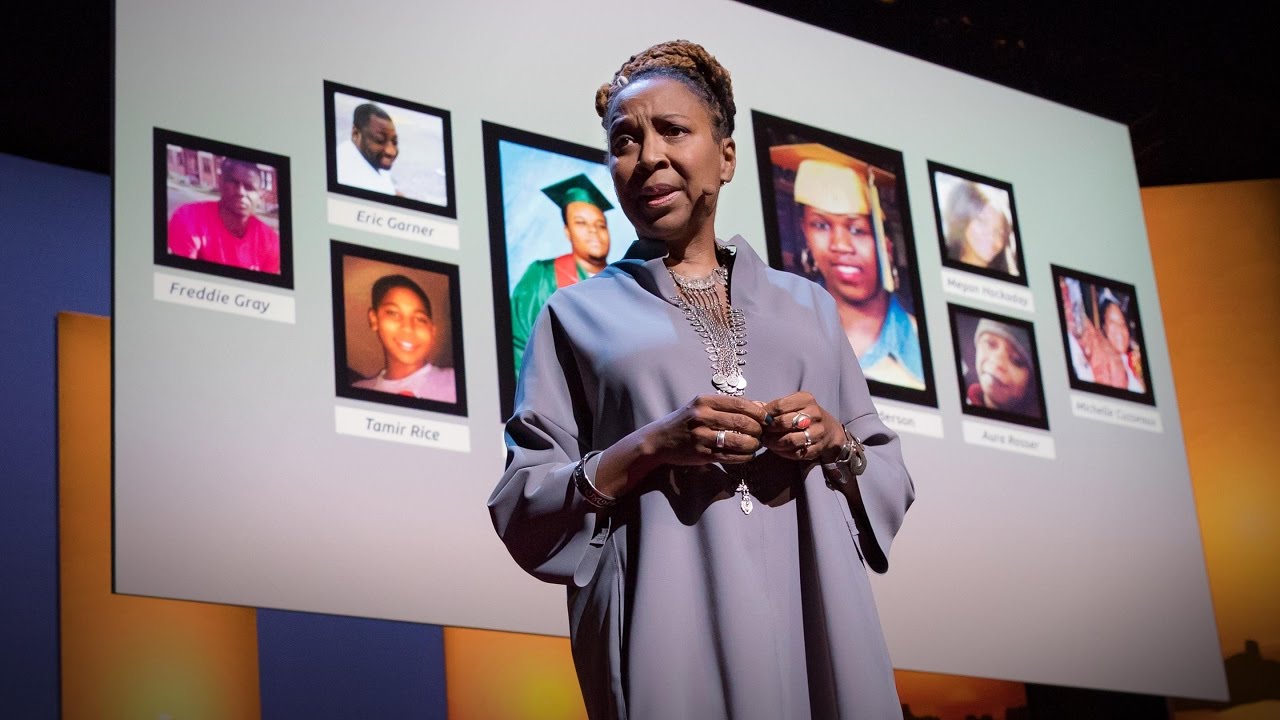
The Urgency of Intersectionality
In this TED talk, law professor Kimberlé Crenshaw explains why she coined the term “intersectionality,” what it means, and why it matters. The metaphor she uses is to imagine an African-American woman standing at the intersection of two roads—a “race road” and a “gender road”—but instead of receiving more legal protection than someone who faces only one form of discrimination, the African-American woman sometimes receives less protection.

In this video and the one linked below, Vietnamese Zen master and author Thich Nhat Hanh explains the concept of “interbeing.” According to Nhat Hanh, “It is impossible to ‘be’ by yourself, alone. You have to inter-be with everyone and everything else.” If true, this analysis suggests that perpetrators and targets of prejudice are more interconnected than typically assumed. It also means that progress on one social justice issue is intertwined with progress on all social justice issues.
For related videos, see:

How the World Is Contained in a Cup of Coffee
In his book The Trumpet of Conscience, Martin Luther King, Jr., wrote:
“All life is interrelated. We are all caught in an inescapable network of mutuality, tied into a single garment of destiny. Whatever affects one directly, affects all indirectly … Did you ever stop to think that you can’t leave for your job in the morning without being dependent on most of the world? … you go into the kitchen to drink your coffee for the morning, and that’s poured into your cup by a South American … before you finish eating breakfast in the morning, you’ve depended on more than half of the world. This is the way our universe is structured … We aren’t going to have peace on earth until we recognize this basic fact of the interrelated structure of all reality.”
In this TED talk, bestselling author A.J. Jacobs talks about a journey he took around the world to personally thank every individual who helped make his morning cup of coffee, from farmers to truckers to roasters to his neighborhood barista. All told, he thanked more than a thousand people, which only scratches the surface, but it’s still a fascinating embodiment of what Martin Luther King, Jr., wrote about.

This video is the trailer to Origin, an award-winning 2023 movie based on Isabel Wilkerson’s journey to write the book Caste: The Origins of Our Discontents. Both the movie and the book examine the common psychological underpinnings of racism in the United States, antisemitism in Nazi Germany, and the caste system in India.
As the movie unfolds, Wilkerson comes to realize that racism is not just about race, and the Holocaust was not just about antisemitism. In fact, Nazi laws and policies were explicitly modeled on America’s racist Jim Crow and eugenic laws, and Hitler used the genocide of Native Americans as a guide for the extermination of Jewish people. Many films have explored these topics separately, but Origin is unique in the way it interweaves multiple forms of prejudice and vividly portrays their interconnections.
For other examples of interconnected prejudice, see:
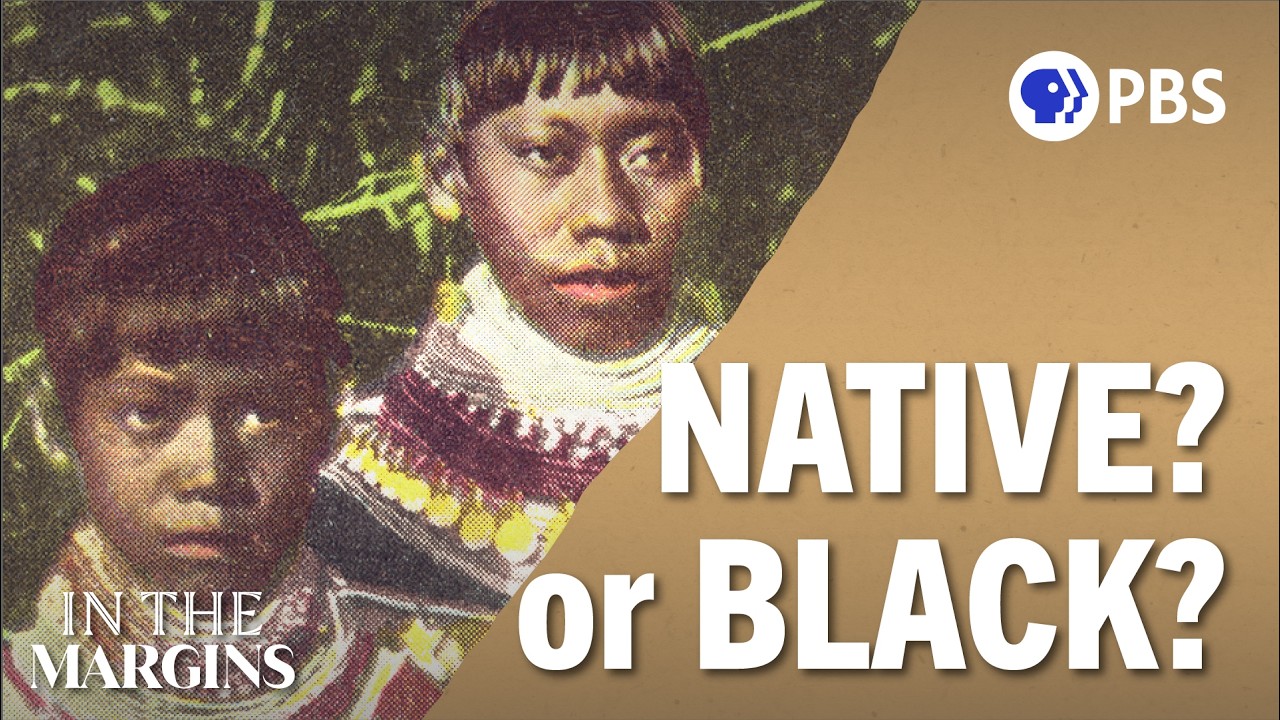
In the Margins: Native or Black?
Although many people associate the term “racial purity” with Nazi Germany, this video from PBS Origins probes an often overlooked connection between the enforcement of racial purity regarding Native Americans (focused on “blood quantum”) and the the enforcement of racial purity regarding African Americans (focused on hypodescent, or “the one-drop rule”). Although the details differ, both cases focus on blood composition, and the underlying motivations are similar: segregation, exploitation, and control.
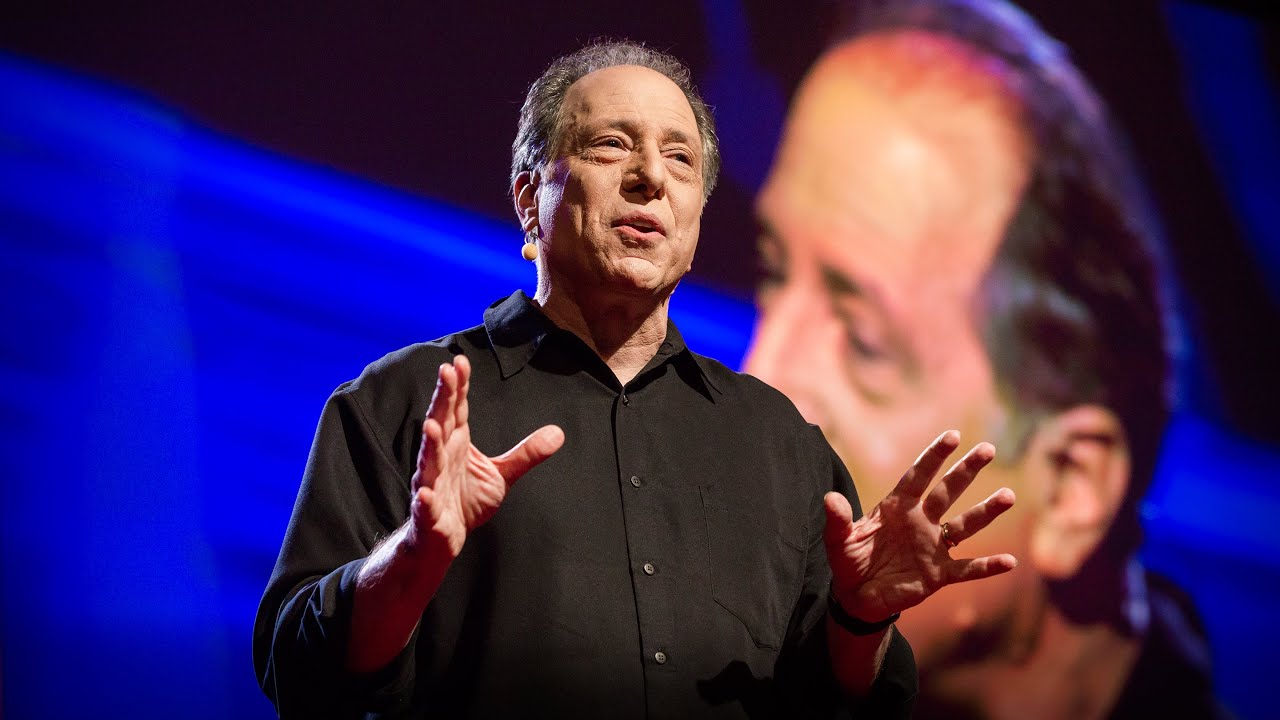
Why Gender Equality Is Good for Everyone—Men Included
In this insightful TED talk, sociology professor Michael Kimmel explains why gender equality benefits all people—not just women. In doing so, he helps male listeners make connections they might not have made before, and more generally, he provides an example of how justice and equality not only improve the lives of people who face discrimination but also improve the lives of people who, intentionally or not, commit acts of discrimination.

Environmental Justice Pioneer Reflects on the Movement He Helped Start
This Scientific American profile of environmental justice pioneer Robert Bullard connects the dots between social justice and environmental protection. Back in 1979, Professor Bullard and his students were the first to systematically map the geographic overlap between landfills and communities of color in Houston, Texas. What he and his students uncovered was that 5 out of 5 of the city-owned landfills, 3 out of 4 of the privately-owned landfills, and 6 out of 8 of the city-owned incinerators were located in Black neighborhoods. As Professor Bullard says in the video, “America is segregated and so is pollution … if we are to solve many of our environmental problems, we have to solve the problems of inequality and use a justice and equity lens.”
For more information on environmental justice, see:

We Went to the Town Elon Musk Is Poisoning
Normally, when people think about environmental justice—which connects environmental protection and social justice—they think about nuclear waste, landfills, and toxins being dumped into communities of color. More globally, people also think about climate justice, which is “a type of environmental justice that focuses on the unequal impacts of climate change on marginalized or otherwise vulnerable populations.”
Most recently, these concerns have begun focusing on the vast amount of energy needed to power artificial intelligence—the topic of this video, released by More Perfect Union—an Emmy award-winning, nonprofit newsroom that reports on struggles and challenges of working-class people. Although the video is about AI-related environmental justice, the problem is structurally similar to climate injustice and other social dilemmas in which the pursuit of individual self-interest can lead to collective loss.
For related videos, see:

How Inequality Lowers Mental Health and Well-Being
In this clip, Professor and epidemiologist Richard Wilkinson discusses the connection between income equality and psychosocial well-being. He shows, for example, that people living in financially unequal societies are prone to more social comparison, which can increase stress hormones such as cortisol and is associated with higher levels of anxiety and depression. And more generally, he cites research linking higher levels of inequality to the prevalence of the many of the most common mental illnesses.
In the videos below, he and other experts also point out that among wealthy nations, countries with the smallest gap between rich and poor tend to have the greatest life expectancy and the lowest rates of homicide, incarceration, teen pregnancy, infant mortality, and mental illness. “Inequality,” he says, “is the enemy between us.”
Additional Resources and Searchable Databases
For other films, clips, and reviews, please see:
Web Links
Interbeing and Interconnectedness
Interbeing, Mindfulness, and Thich Nhat Hanh
- Mind & Life Institute (bridging science and contemplative wisdom)
- Mindful.org (secular platform for mindfulness, awareness, and compassion)
- Plum Village (global community of mindfulness practice centers)
- Order of Interbeing (British mindfulness organization)
- Socially Engaged Buddhism (Buddhism & social justice)
- The Dalai Lama’s Nobel Peace Prize Lecture (transcript)
- The Life Story of Thich Nhat Hanh (Plum Village)
- Thich Nhat Hanh Foundation (promoting mindful teachings and practice)
- Wake Up (global community of young mindfulness practitioners)
- World Interbeing Sangha (global online community practicing mindfulness)
Intersecting Prejudices and Identities: Some Examples
- Affect (media and resources by and for disabled people of color)
- Audre Lorde Project (an LGBTQ+ community of color center)
- Deaf Queer Resource Center (antigay and anti-deaf prejudice)
- International Network for Hate Studies (linking academics and practitioners)
- Intersectional Resources and Tools (Racial Equity Tools)
- Lavender Rights Project (Black trans feminism)
- National Black Justice Coalition (racism and homophobia)
- Poverty & Race Research Action Council (addressing racism and classism)
- The And Project (creating a space to explore identity and intersectionality)
- Women Enabled International (gender and disability)
Protecting Rights Across Multiple Identities
- Centre for Social Justice (strengthening social justice movements)
- Geneva International Centre for Justice (multi-issue human rights group)
- Headwaters Foundation for Justice (amplify the power of community)
- Human Rights First (promoting freedom and dignity for all)
- Human Rights Watch (defending human rights worldwide)
- Impact Fund (strategic litigation for social justice)
- LoveJustice.com (supports changemakers working for social justice)
- Minority Rights Group (protecting minority and indigenous rights)
- Partnership for Civil Justice (public interest legal organization)
- Protection Approaches (protecting people from identity-based violence)
- Social Protection and Human Rights (linking multiple key issues)
- Society for Threatened Peoples International (international NGO)
Multi-Issue Coalitions, Alliances, and Collaborations
- Coalition on Human Needs (alliance helping vulnerable populations)
- European Union Agency for Fundamental Rights (protecting rights for all)
- Global Alliance of National Human Rights Institutions (over 100 members)
- Global Coalition for Social Justice (spans many areas of social justice)
- Global Rights (working with local partners to create just societies)
- International Federation for Human Rights (large NGO founded in 1922)
- Leadership Conference on Civil and Human Rights (broad rights coalition)
- The Elders (leaders for peace, justice, human rights and a sustainable planet)
Social Justice and the Environment
Environmental Justice Movement
- Earthjustice (nonprofit environmental law organization)
- EnJust (connecting research, politics, economics, and civil society)
- Global Atlas of Environmental Justice (set of interactive world maps)
- Global Center for Climate Justice (research and networking think tank)
- Indigenous Environmental Network (alliance to protect mother earth)
- NAACP Center for Environmental and Climate Justice (nonprofit)
- Pesticide Action Network (creating a just and healthy food system)
- Right-to-Know Network (free access to environmental databases)
- WE ACT for Environmental Justice (building healthy communities)
Environmental Justice Research Groups
- Bullard Center for Environmental and Climate Justice (TSU)
- Center for Environmental Justice (Yale University)
- Climate Health Society (global interdisciplinary professional society)
- Deep South Center for Environmental Justice (Dillard University)
- Energy, Climate & Environment Research (University of California, Berkeley)
- Environmental and Climate Justice Project (Columbia University)
- Environmental Justice Action Research Clinic (University of North Carolina)
- Environmental Justice Initiative (Environmental Law Institute)
- Northeast Climate Justice Collaborative (trans-disciplinary network)
- Sustainable Solutions Lab (UMass Boston climate justice initiative)
Social Justice and the Economy
Poverty and Inequality Research
- Center for Economic and Policy Research (independent research and analysis)
- Center for Economic Justice and Action (University of California, Santa Cruz)
- Center for Poverty and Inequality Research (University of California, Davis)
- Center for the Study of Inequality (Cornell University)
- Center on Budget and Policy Priorities (economic justice research and policy)
- Center on Poverty and Community Development (Case Western State University)
- Center on Poverty and Inequality (Georgetown Law)
- Center on Poverty and Inequality (Stanford University)
- Center on Poverty and Social Policy (Columbia University)
- Contending with Societal Inequality: A Social Science Lab (Northwestern University)
- Demos (research and policies to build a just, inclusive, multiracial democracy)
- Economic Policy Institute (research for broadly shared prosperity)
- Institute for Children, Poverty & Homelessness (policy research organization)
- Institute for Research on Poverty (University of Wisconsin–Madison)
- McSilver Institute for Poverty Policy and Research (New York University)
- National Poverty Center (University of Michigan)
- Urban Institute (justice-related research to improve lives and communities)
- Working-Class Studies Association (scholarship, teaching, art, and activism)
Other Poverty and Inequality Links
- Center for Economic and Social Justice (advancing liberty and justice for all)
- Center for Economic and Social Rights (international NGO)
- Economic Hardship Reporting Project (journalism on economic inequality)
- Global Issues (resources on issues that affect everyone and are interrelated)
- Globalization & Education Special Interest Group (networking hub)
- Industrial Workers of the World (a union for all workers)
- International Labour Organization (U.N. human and labor rights agency)
- National Coalition for the Homeless (working to prevent and end homelessness)
- National Community Reinvestment Coalition (working toward a just economy)
- National Head Start Association (ensuring all children have a chance to succeed)
- National Homelessness Law Center (finding just solutions to homelessness)
- National Low Income Housing Coalition (focused on accessible, affordable housing)
- National Prevention Science Coalition to Improve Lives (professional group)
- Poverty (World Bank global data, statistics, and reports on poverty and inequality)
- U.N. Development Programme (working to end poverty and reduce inequality)
- United for a Fair Economy (supporting movements for an equitable economy)
Other Publications
News and Blogs
- Center for Health Justice News (Association of American Medical Colleges)
- Center for Law and Social Policy Blog (anti-poverty policy solutions)
- Centre for Social Justice Blog & News (addressing root causes of poverty)
- Climate Justice Alliance Newsroom (communities united for a just transition)
- EJToday (daily weekday digest of top environment/energy news)
- Equal Justice Initiative News (on racial justice, human rights, and more)
- Impact Fund Social Justice Blog (from the front lines of social change)
- LoveJustice.com News Page (news and blog posts on social justice)
- San Quentin News (print/digital social justice news by incarcerated people)
- The Marshall Project (nonprofit journalism about criminal justice)
- The Point (ESG news site on social and environmental justice)
Newsletters and E-letters
- AmazeWorks Newsletter (free e-newsletter on anti-bias education)
- Climate Action Newsletter (sustainable development news and updates)
- CSJ Newsletter (weekly news from the Centre for Social Justice)
- Impact for Equity Newsletter (updates on racial and social justice)
- Inside Climate News (multiple e-newsletters to choose from)
- Monthly Defender (review of urgent issues from Human Rights Watch)
- Praxis for the Planet (Global Center for Climate Justice newsletter)
- The Insider Newsletter (from the Brennan Center for Justice)
- The Justice (newsletter from Counselors for Social Justice)
- The Point (free e-newsletter with daily ESG news and special reports)
- The Week in Rights (news wrap from Human Rights Watch)
- Truthout (free daily e-letter with news and critical analysis)
- World Justice Project Newsletter (advancing the rule of law worldwide)
Special Reports
- Achiume, E. T. (2022, October 25). Report of the Special Rapporteur on Contemporary Forms of Racism, Racial Discrimination, Xenophobia and Related Intolerance. United Nations Human Rights Council.
- Alkire, S., Conceição, P., Dehingia, N., Evans, M., Jambrina-Canseco, B., Jahic, A., Kwag, M., Maher, N., Mishra, R., Nogales, R., Saling, S., Selden, L., Shrestha, S. K., Soomro, M., Suppa, N., & Zhang, Y. (2025). 2025 Global Multidimensional Poverty Index 2025: Overlapping Hardships: Poverty and Climate Hazards. United Nations Development Programme and Oxford Poverty and Human Development Initiative.
- Altman, S. A., & Bastian, C. R. (2026). DHL Global Connectedness Report 2026. DHL & New York University Stern School of Business.
- Baldwin, R., & Ruta, M. (Eds.). (2025, June 27). The State of Globalisation. Centre for Economic Policy Research.
- Blue Square Alliance Against Hate. (2024, November 26). Nationwide Survey Reveals All Types of Prejudice Are on the Rise.
- Schenkkan, N., Linzer, I., Furstenberg, S., & Heathershaw, J. (Eds.). (2020, July). Perspectives on “Everyday” Transnational Repression in an Age of Globalization. Freedom House.
- Shrider, E. A., & Bijou, C. (2025, September 9). Poverty in the United States: 2024. United States Census Bureau.
- Varsik, S., & Gorochovskij, J. (2023, November 6). Intersectionality in Education: Rationale and Practices to Address the Needs of Students’ Intersecting Identities (OECD Education Working Paper No. 302). Organisation for Economic Co-operation and Development.
- World Bank. (2024). Poverty, Prosperity, and Planet Report 2024: Pathways Out of the Polycrisis. World Bank Group.
Articles and Essays
- Azmitia, M., Garcia Peraza, P. D., & Casanova, S. (2023). Social identities and intersectionality: A conversation about the what and how of development. Annual Review of Developmental Psychology, 5, 169-191.
- Bastia, T., Datta, K., Hujo, K., Piper, N., & Walsham, M. (2022). Reflections on intersectionality: A journey through the worlds of migration research, policy and advocacy. Gender, Place & Culture, 30(3), 460-483.
- Bauer, G. R., Churchill, S. M., Mahendran, M., Walwyn, C., Lizotte, D., & Villa-Rueda, A. A. (2021). Intersectionality in quantitative research: A systematic review of its emergence and applications of theory and methods. SSM – Population Health, 14, 100-178.
- Chowkwanyun, M. (2023). Environmental justice: Where it has been, and where it might be going. Annual Review of Public Health, 44, 93-111.
- Christoffersen, A., & Emejulu, A. (2022). “Diversity within”: The problems with “intersectional” white feminism in practice. Social Politics International Studies in Gender State & Society, 30(2), 630-653.
- Cole, E. R., & Duncan, L. E. (2022). Better policy interventions through intersectionality. Social Issues and Policy Review, 17(1), 62-78.
- Mikulewicz, M., Caretta, M. A., Sultana, F., & Crawford, N. J. W. (2023). Intersectionality & climate justice: A call for synergy in climate change scholarship. Environmental Politics, 32(7), 1275-1286.
- Potts, M., Le Hunte, B., & Ross, K. (2023). On learning interbeing. Journal of Transformative Education, 22(1), 42-63.
- Samra, R., & Hankivsky, O. (2020). Adopting an intersectionality framework to address power and equity in medicine. The Lancet, 397(10277), 857-859.
- Sun, G., Sun, L., & Zhou, Y-H. (2026). Linking climate features to human life expectancy in the United States: Implications for integrated climate and health policies Journal of Climate Change and Health, 29, 100681.
- Weber, G., Banerjee, S. B., Peredo, A. M., & Saes, B. (2026). Business and environmental justice: From political economies to political ecologies. Journal of Business Ethics.