
Slavery and the
U.S. Presidents
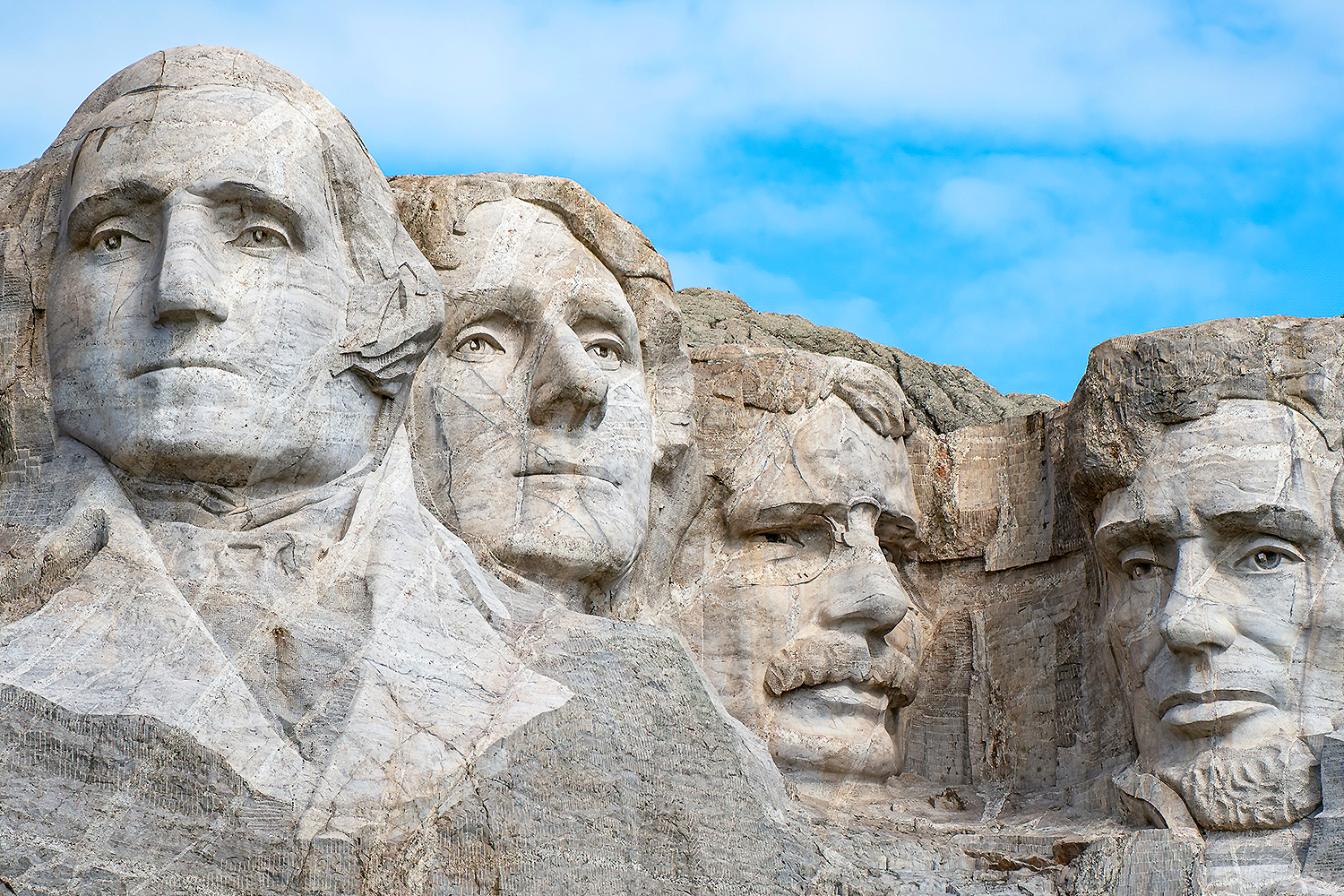
Giving U.S. Currency a New Face
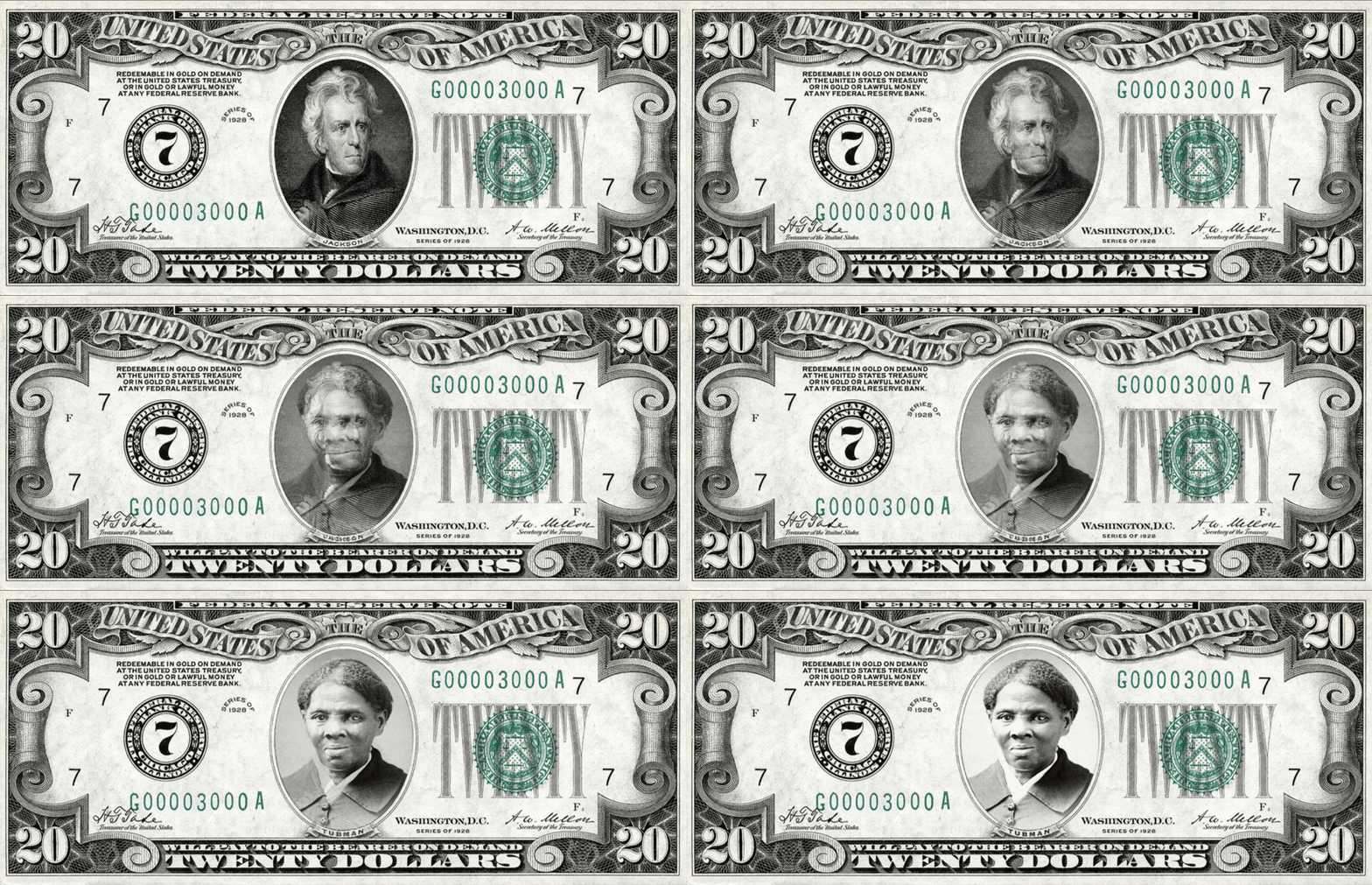
In light of the U.S. government’s record on slavery, some people have called for financial compensation, or “reparations,” to be made to the descendants of slaves.
Although the topic of reparations is controversial, there is growing support for the U.S. government to “put its money where its mouth is” in at least one respect: by diversifying the face of its money. One popular proposal along these lines is to replace Andrew Jackson with Harriet Tubman on the $20 bill.
Why Andrew Jackson?
There are several reasons for replacing Andrew Jackson:
- Jackson was both a slave trader and a slaveholder.
- Jackson was a White supremacist. For example, in his Fifth Annual Message to Congress he referred to Whites as “a superior race,” and he described American Indians as lacking “the intelligence, the industry, the moral habits, [and] the desire of improvement which are essential to any favorable change in their condition.”
- Jackson opposed paper currency. In 1842 he wrote: “Every one who knows me, must be aware of my universal hostility against all government paper currency. The old continental currency was sufficient to convince me that a greater curse could not visit a nation than a paper currency.”
- Jackson has been on the $20 bill since 1929 and is widely commemorated elsewhere.
Why Harriet Tubman?
- As part of the Underground Railroad, Tubman risked her life to help roughly 300 slaves escape to freedom. Of Tubman, Frederick Douglass once wrote, “Excepting John Brown — of sacred memory — I know of no one who has willingly encountered more perils and hardships to serve our enslaved people.”
- Tubman was herself a slave until she escaped to the North.
- An African American has never been commemorated on U.S. paper currency.
- Of the 13 U.S. coins and bills now in active circulation, 12 celebrate White men.
Progress: Continue