
Slavery and the
U.S. Presidents
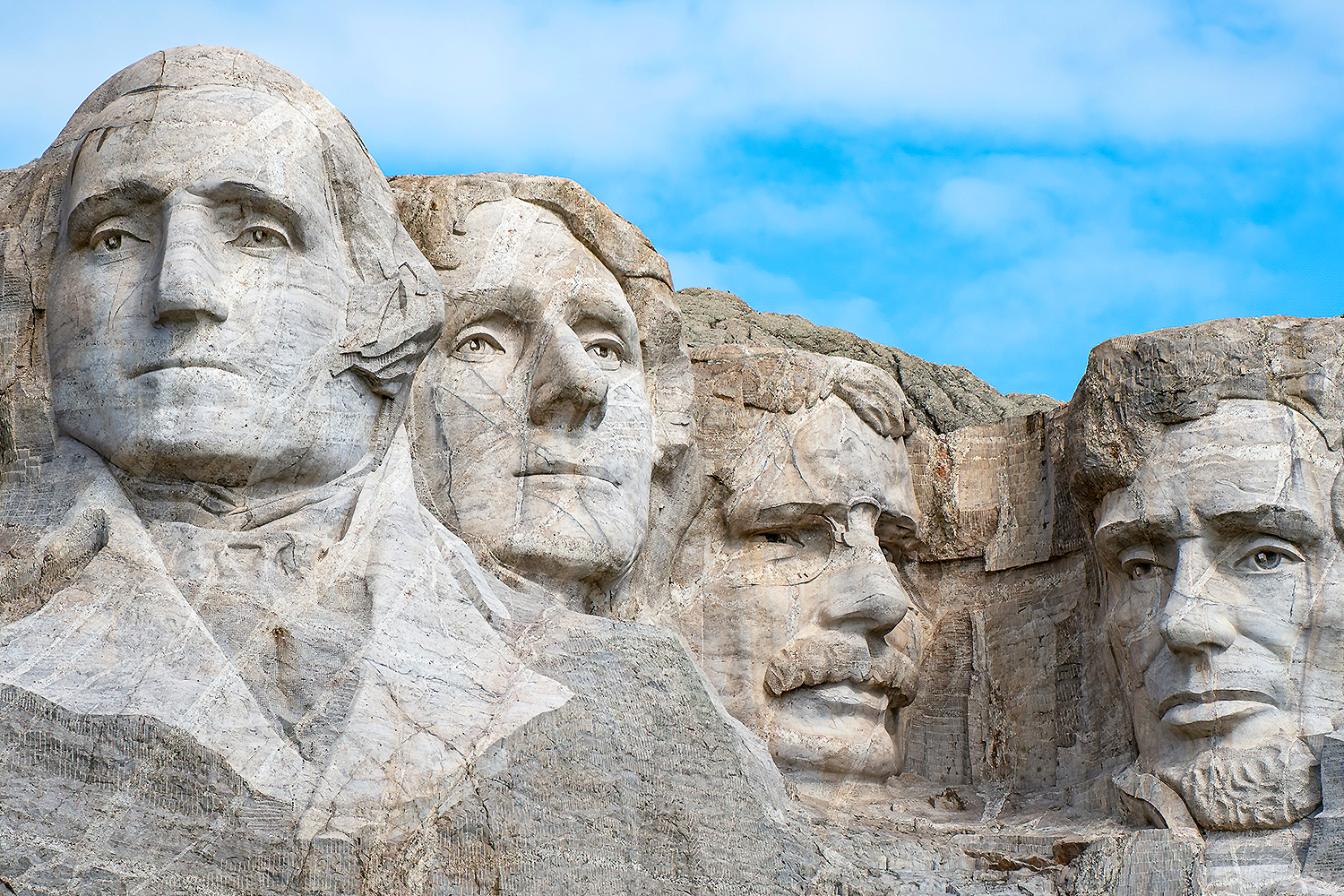
The Three Largest Slaveholders
The presidents who held the largest number of enslaved people—George Washington, Thomas Jefferson, and Andrew Jackson——each owned more than 200 at some point in their life. Although they are often remembered for their contributions to the U.S., their wealth and status were deeply tied to slavery.
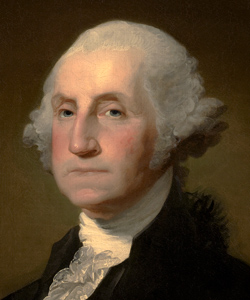
George Washington
Highest Number of Slaves Owned: 317
George Washington bought, sold, inherited, and otherwise acquired hundreds of slaves over his lifetime, at one point even helping to manage a lottery in which slave children were “prizes.”
Here, for example, are a few documented cases:
- In a letter on July 20, 1772, Washington directed that money from the sale of flour be invested “in Negroes, if choice ones can be had under Forty pounds Sterl[ing] … let there be two thirds of them Males, the other third Females — The former not exceeding (at any rate) 20 yrs of age — the latter 16.”
- On February 4, 1787, Washington wrote Henry Lee about his desire to purchase “the Bricklayer which is advertised for Sale,” telling Lee, “I should be glad if you would buy him for me. I have much work in this way to do this Summer.”
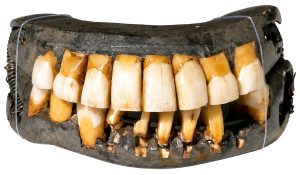
Washington also arranged to have his dentures fitted with teeth pulled from slaves, and in some cases, he was deceptive about his practices concerning slavery. For example, in a letter to William Pearce on March 22, 1795, Washington offered to secretly join in the expense of recapturing a runaway slave but said, “I would not have my name appear in any advertisement, or other measure, leading to it.”
In contrast to the mythical story of Washington chopping down a cherry tree and confessing his act with the famous line “I cannot tell a lie,” the real George Washington was the first president to cover up misdeeds from the public.
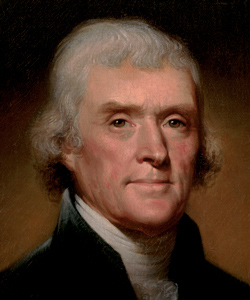
Thomas Jefferson
Highest Number of Slaves Owned: 237
Of all the presidents, Thomas Jefferson may have been the most conflicted over slavery. For instance, he wrote: “There is not a man on earth who would sacrifice more than I would to relieve us from this heavy reproach,” yet Jefferson never emancipated the 200+ slaves he owned.
Here are other examples of Jefferson’s contradictions on slavery and racial equality.

On the one hand…
Jefferson wrote that slavery was a “great political and moral evil” involving “the most unremitting despotism on the one part, and degrading submissions on the other …. Indeed I tremble for my country when I reflect that God is just: that his justice cannot sleep for ever.” He even referred to the international slave trade as an “execrable commerce” in a preliminary draft of the Declaration of Independence.

On the other hand…
Jefferson included “25. negroes little and big” in his daughter Martha’s marriage dowry, and he put slave children to work in his textile factory beginning at age 10 and working as long as 14 hours per day.
On the one hand…
On the one hand, Jefferson held Black intelligence in low regard and opposed sexual relations between races, writing of Black people: “Their amalgamation with the other color produces a degradation to which no lover of … excellence in the human character can innocently consent.”
On the other hand…
On the other hand, DNA evidence strongly suggests that Jefferson himself created such an amalgamation with one of his slaves, Sally Hemings.
On the one hand…
On the one hand, Jefferson wrote that he had “scruples about selling negroes but for delinquency, or on their own request.”
On the other hand…
On the other hand, between 1784 and 1794 Jefferson sold or gave away an estimated 161 people. He even sold 10- to 14-year-old slave children or transferred them from one plantation to another.
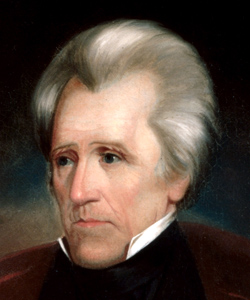
Andrew Jackson
Highest Number of Slaves Owned: 200
In a letter to President James Monroe in September of 1819, Andrew Jackson referred to the international slave trade as “inhuman and illegal traffic.” Yet Jackson owned a mercantile business that engaged in the slave trade, at times accepting slaves in exchange for dry goods, using them to pay off debts, or mortgaging them for loans.
Here are sample excerpts from letters sent to Jackson by his slave buyers:
- January 30, 1820: “Since my arrival here I have purchased five fellows for you … Ned at $450, Tom $455, Argyle $450, Titus $460, and Ned $475. Some of them are better bargains than others: but I dont consider any of them bad ones.”
- April 4, 1831: “I have not been able to purchase to my satisfaction the two boys and Negroe girls for your son … The Negroes of Irby’s estate sold at enormous prices, 36 sold for $10,114 00/100 and were mostly the inferior Negroes.”