
Slavery and the
U.S. Presidents
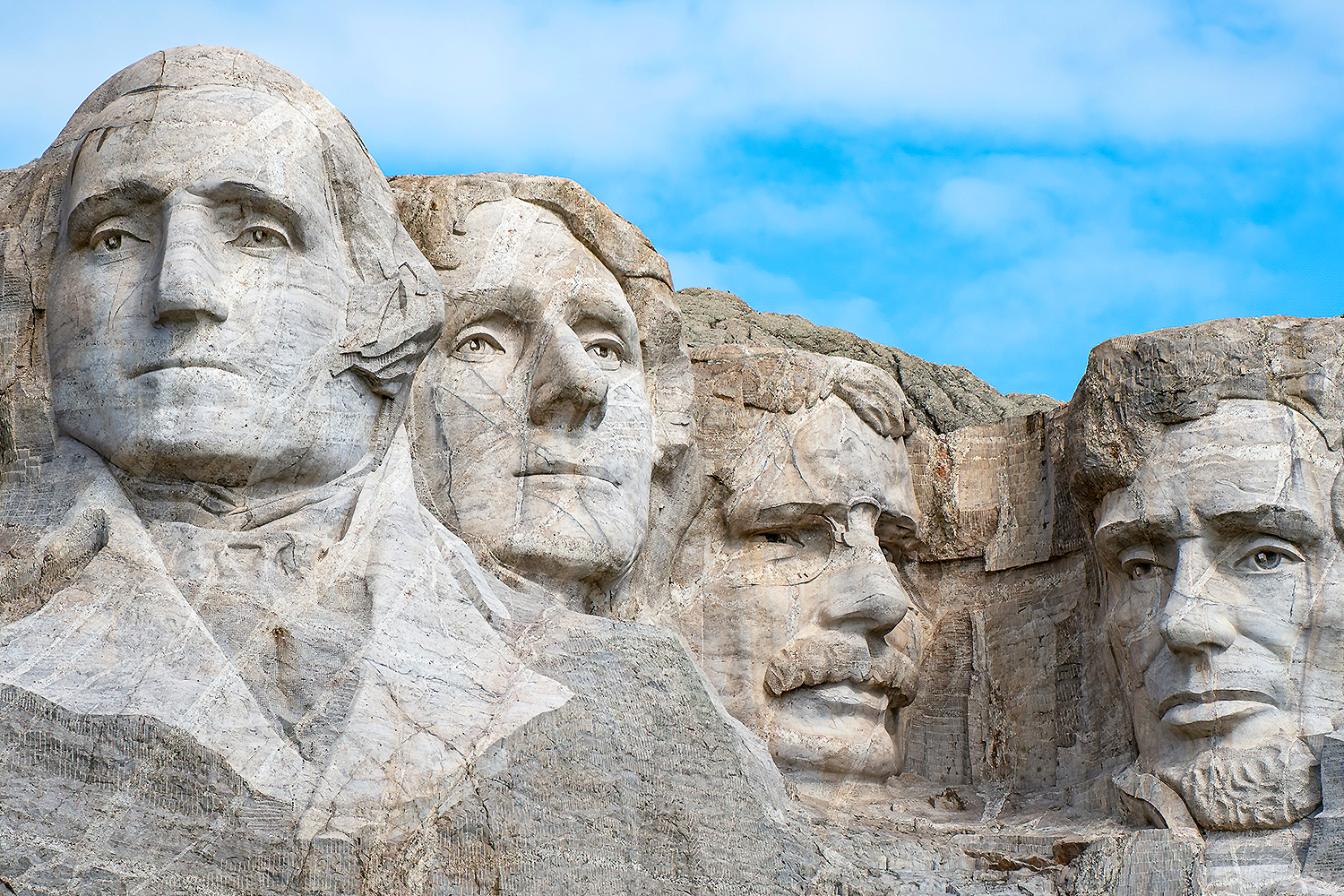
Other Slaveholding Presidents
Although the number of enslaved people owned by these presidents was lower than others, they all supported the institution of slavery in various ways. These profiles offer a look at how slavery functioned beyond the largest plantations, revealing its presence across different levels of power and leadership.
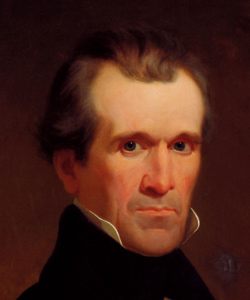
James Knox Polk
Highest Number of Slaves Owned: 24
James Polk was a staunch defender of slavery all his adult life. He referred to abolitionists as “fanatical and wicked agitators,” and in 1830, when Congress debated whether to establish a prison in the District of Columbia, Polk argued that for punishing slaves, whipping was better than imprisonment because a “slave dreads the punishment of stripes more than he does imprisonment; and [whipping] has, besides, a beneficial effect upon his fellow-slaves.”
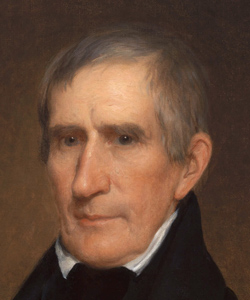
William Henry Harrison
Highest Number of Slaves Owned: 11
During a congressional campaign in 1822, William Harrison told Ohio voters that he opposed slavery. Said Harrison: “I am accused of being friendly to slavery. From my earliest youth to the present moment I have been the ardent friend of human liberty. At the age of eighteen I became a member of an Abolition Society.” During his 1840 presidential campaign, however, Harrison needed to win Southern votes, and he denied ever being an abolitionist.
Regardless of the truth, there is no question that Harrison supported slavery. For instance, while Harrison was Governor of the Indiana Territory he tried to legalize slavery, and when the effort failed, he personally sidestepped the law by buying slaves and holding them outside Indiana or importing them as indentured servants. In one such case, he instructed his buyer: “I would freely take one or two negroes either male or female & get the favor of you to keep them til an oppurtunity of sending them occured — it would make no difference whether they are slaves for life or only serve a term of years.” (misspellings in original)
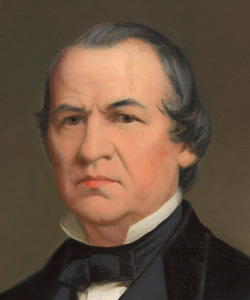
Andrew Johnson
Highest Number of Slaves Owned: 8
Despite his ownership of slaves, Andrew Johnson became a critic of slavery after Abraham Lincoln freed Southern slaves. In a speech on January 8, 1864, Johnson said: “Slavery is the cancer upon the body politic, which must be rooted out before perfect health can be restored.” In a speech 13 days later, however, Johnson made clear that he did not advocate racial equality, declaring, “I am for a white man’s government, and in favor of free white qualified voters controlling this country, without regard to negroes.”
In his Third Annual Message to Congress on December 3, 1867, President Johnson elaborated: “The blacks of the South are … so utterly ignorant of public affairs that their voting can consist in nothing more than carrying a ballot to the place where they are directed to deposit it.” This position echoed a speech he gave 10 years earlier, when he warned that giving Black people the right to vote “would place every splay-footed, bandy-shanked, hump-backed, thick-lipped, flat-nosed, woolly-headed, ebon-colored negro in the country upon an equality with the poor white man.”
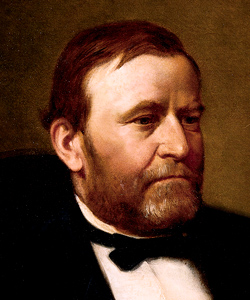
Ulysses S. Grant
Highest Number of Slaves Owned: 5
Ulysses Grant was the last U.S. president to own slaves, and his record on slavery was as mixed as many of the early presidents. During the U.S. civil war, Grant confided in a letter to Elihu Washburne: “I never was an Abolitionist, not even what could be called anti slavery.” As Grant put it in a letter to his father on August 3, 1862, “I have no hobby of my own with regard to the negro, either to effect his freedom or to continue his bondage.” Yet after the war came to an end, Grant said “it was a stain to the Union that men should be bought and sold like cattle.”
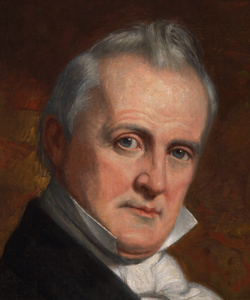
James Buchanan
Highest Number of Slaves Owned: 2
[The slave] is treated with kindness and humanity. He is well fed, well clothed, and not overworked … Both the philanthropy and the self-interest of the master have combined to produce this humane result.
— Third Annual Message to Congress, December 19, 1859
In a speech on April 11, 1826, James Buchanan referred to slavery as “a curse” and “a great political and a great moral evil.” After becoming president, however, he referred to abolitionists as “dangerous fanatics,” and in his Third Annual Message to Congress on December 19, 1859, he argued that Black people benefited from slavery: “Advancement [of our domestic slaves] in civilization has far surpassed that of any other portion of the African race. The light and the blessings of Christianity have been extended to them, and both their moral and physical condition has been greatly improved.”
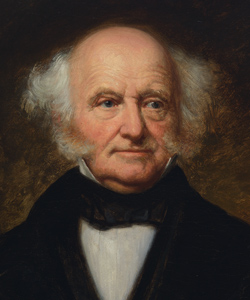
Martin Van Buren
Highest Number of Slaves Owned: 1
Martin Van Buren wrote that “Morally and politically speaking slavery is an evil of the first magnitude,” but he did not believe that the Constitution allowed for the prohibition of slavery in existing U.S. states, and in his inaugural address of March 4, 1837, Van Buren promised to be an “inflexible and uncompromising opponent of every attempt on the part of Congress to abolish slavery in the District of Columbia [and] to resist the slightest interference with it in the States where it exists.” Van Buren described abolition as a vicious device “of evil disposed persons to disturb the harmony of our happy Union” and even published a pamphlet opposing the abolition of slavery.
Toward the end of his life, Van Buren also praised the Dred Scott decision in which the U.S. Supreme Court denied citizenship to African Americans. Van Buren wrote: “the sense in which the word ‘citizen’ was used by those who framed and ratified the Federal Constitution was not intended to embrace the African race.”